Advanced Home Security Services: Safeguard Your Dear Ones Through Expert Services and Exceptional Benefits
Residential security has turned more and more critical in contemporary times. With growing worries about safety, homeowners look for effective solutions to protect their families. Ultimate home security solutions offer a range of specialized offerings designed to address personal demands. From advanced surveillance systems to specialized surveillance, these options deliver extensive safety standards. Still, the question remains: how can these technologies be incorporated smoothly into day-to-day living for maximum benefit?
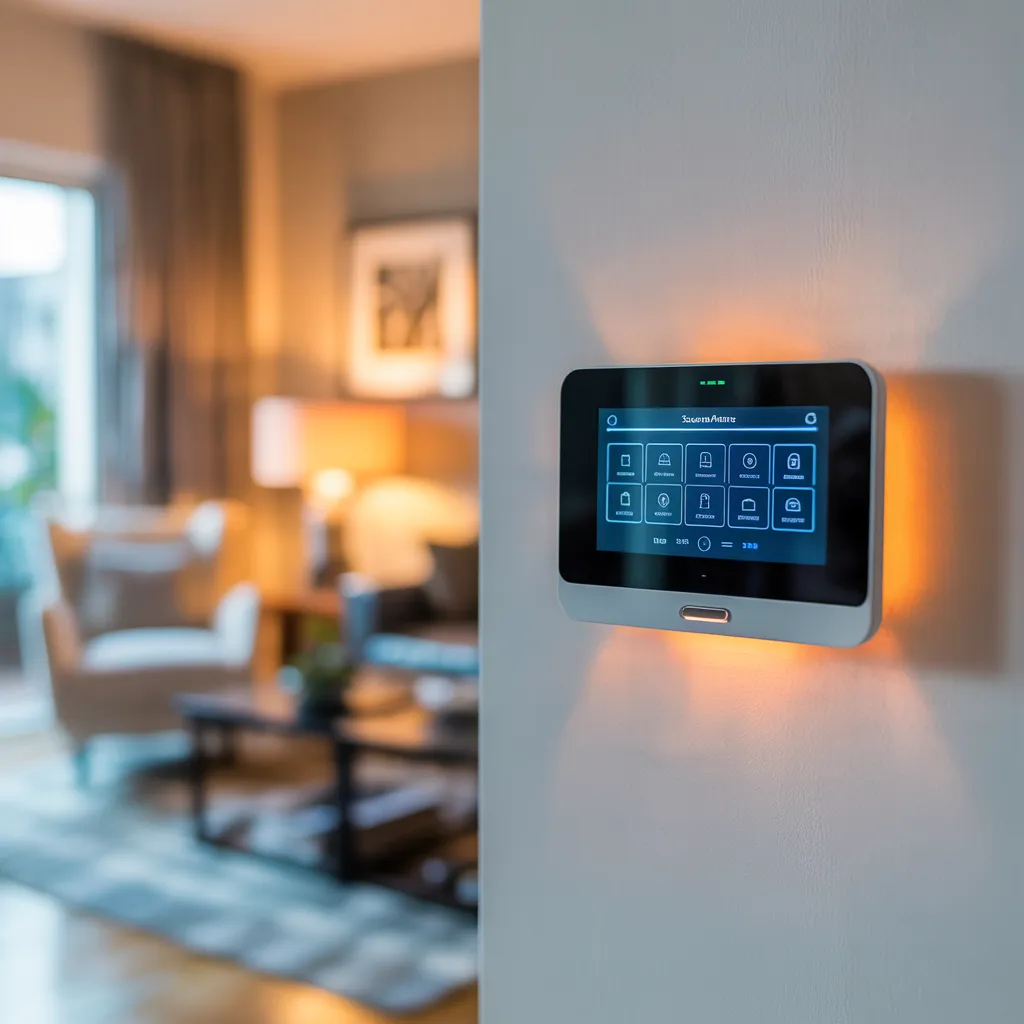
Comprehending the Importance of Home Security
As property owners progressively acknowledge the importance of security, comprehending the value of residential safety has grown essential. The surge in home-related crimes has led residents to recognize existing security gaps in their living spaces. A protected residence not only safeguards material possessions but also cultivates a feeling of security and comfort among occupants.
Deploying comprehensive security measures can deter intruders and deliver a layer of protection for families. This includes evaluating entry points, employing premium locks, and ensuring adequate lighting around the premises. Furthermore, the psychological benefits of a secure environment should not be overlooked; families can prosper when they feel safe in their own homes.
In a world where uncertainties abound, dedicating resources to home security is a forward-thinking approach toward securing loved ones and elevating overall quality of life. Knowledge and initiative in this field empower homeowners to assume responsibility for their safety and the security of their property.

State-of-the-Art Surveillance Technology: Ensuring Round-the-Clock Protection
In what ways can property owners successfully oversee their homes during a time of growing safety concerns? Modern monitoring technology provides a powerful answer, allowing careful monitoring of home environments. Such solutions commonly feature high-definition cameras, motion detection technology, and infrared observation abilities, securing full oversight at all hours.
Home occupants can select from wired and wireless options, allowing flexibility based on their individual needs. Many installations also offer remote access via smartphones, permitting users to view live feeds and receive alerts in real time.
Furthermore, features including facial recognition and cloud storage improve security by supplying valuable data that can deter potential intruders. Adding advanced surveillance systems into home security plans not only promotes a sense of safety but also enables homeowners to take proactive measures against threats. As technology continues to evolve, these systems remain an essential component of modern home security strategies, guaranteeing peace of mind for families.
Advanced Home Technology: Elevating Safety and Convenience
An ever-growing number of homeowners are adopting smart home technology to enhance both security and convenience. This innovative approach combines various devices, giving users to control their home environment remotely through smartphones or tablets. Smart locks, for example, permit homeowners to secure their doors from anywhere, providing peace of mind and doing away with the worry of forgotten keys.
Additionally, smart cameras offer real-time monitoring and alerts, boosting situational awareness. Homeowners can be sent notifications of unusual activities, allowing them to respond immediately. Smart lighting systems can simulate occupancy, warding off potential intruders by creating the illusion of an inhabited home.
Moreover, voice-activated assistants can optimize daily tasks, additionally improving convenience. By merging security features with user-friendly interfaces, smart home technology not only secures property but also enhances the overall living experience. As these technologies turn more accessible, the movement towards smart homes keeps expanding, indicating a notable shift in home security strategies.
Security Alarm Systems: The Initial Security Barrier
Security systems provide an important safeguard against intrusions, offering different varieties customized for different security needs. These systems can be equipped with monitoring options, giving homeowners instant alerts and professional oversight. Understanding the available choices guarantees optimal protection for any residence.
Different Types of Alarm Systems
Various types of alarm systems often fortify home security, each created to meet different needs and preferences. One widely-used type is the intrusion alarm system, which detects unauthorized entry through sensors mounted on doors and windows. Another is the fire alarm system, outfitted with smoke and heat detectors to alert residents of potential fires. Furthermore, there are environmental alarm systems that monitor for hazards like carbon monoxide or flooding. Wireless alarm systems are rising in popularity for their installation simplicity and flexibility, while hardwired systems ensure reliable, consistent performance. Smart alarm systems work with home automation, allowing remote access and control via smartphones. Each type plays an essential role in improving home protection and providing peace of mind for homeowners.
Overview of Monitoring Options
While various alarm systems provide essential protection, the effectiveness of these systems largely depends on the monitoring options opted for. Homeowners typically have three primary options: self-monitoring, professional monitoring, and hybrid systems. Self-monitoring allows individuals to receive alerts and respond to incidents through their smartphones, delivering flexibility but requiring constant attention. Professional monitoring, in contrast, ensures round-the-clock vigilance by trained personnel who can alert authorities as needed. Hybrid systems integrate both methods, enabling homeowners to monitor their alarms while also taking advantage of professional oversight. Each option presents unique merits and challenges, making it essential for homeowners to consider their lifestyle and security needs. Finally, the right monitoring decision enhances the reliability of alarm systems, providing peace of mind.
Professional Security Monitoring Systems: Complete Security Around the Clock
When a security system is paired with professional monitoring services, homeowners receive an invaluable layer of protection that works around the clock. These services guarantee that trained professionals are continually on alert, ready to react to any security breaches or emergencies. In the event of an alarm, the monitoring center swiftly assesses the situation and contacts the local authorities if needed, significantly reducing response times.
Professional security monitoring deliver an additional level of safety, allowing residents to feel secure even when they are away from home. This constant vigilance is especially important for families with children or elderly members, offering peace of mind that help is just a call away. Moreover, many professional monitoring companies provide mobile app access, allowing homeowners to review their security status in real-time. Overall, these services enhance a home's security system, confirming that safety is never compromised.
Home Intelligence Systems: Combining Security Throughout Daily Life
Smart home technology provides a seamless way to blend security into daily life. By employing smart devices, homeowners can oversee their properties remotely and receive immediate alerts about potential threats. This combination boosts not only safety but also convenience, enabling individuals to manage their security systems effortlessly.
Intelligent Device Integration
In what ways can homeowners efficiently merge safety protocols with routine comfort? Connected device technology delivers an effortless resolution. By integrating safety systems with smart home technology, homeowners can boost security while making daily activities easier. Systems including smart locks, security cameras, and motion sensors can be operated through a single app, permitting homeowners to watch their home surroundings seamlessly. To illustrate, a smart doorbell system enables residents to check who is at the entrance without moving from their sofa. Moreover, automatic lights can prevent potential trespassers by creating the appearance of occupancy. This connectivity encourages a forward-thinking method for home safety, as messages and alerts can be transmitted immediately to phones, making certain that homeowners stay current while juggling their active lifestyles.
Remote Monitoring Advantages
Although the integration of home automation systems enriches daily life, the perks of remote monitoring stand out as a crucial aspect of modern security solutions. Remote monitoring provides homeowners with real-time access to their property, permitting them to monitor activities and security breaches from anywhere. This capability considerably reduces response times in emergencies, as homeowners can contact authorities immediately. Moreover, remote monitoring systems often include alerts and notifications, guaranteeing that users are alerted to any unusual activity instantly. The peace of mind that comes from knowing one can monitor their home while away contributes to a greater sense of security. Ultimately, remote monitoring seamlessly works alongside home automation, enhancing both safety and convenience for families.
Selecting the Ideal Security Solutions for Your Home
Choosing the right security see guide solutions for a residence requires thoughtful consideration of several factors. Homeowners should first assess their specific security needs based on the property's layout, neighborhood crime rates, and personal lifestyle. Evaluating the types of threats—such as burglary, vandalism, or fire—can help prioritize necessary features.
Financial limitations are equally important; quality solutions extend from basic alarm systems to advanced smart home solutions. Property owners can select from self-installed systems or expert setups, each presenting specific benefits.
Furthermore, the integration of technology plays a vital role in today's security solutions. Solutions for example surveillance cameras, motion detectors, and remote monitoring systems enhance overall safety.
Working with security specialists can provide valuable insights suited to individual circumstances. In the end, the right choice will blend robust protection with convenience, delivering peace of mind for the whole household.
Questions & Answers
How Much Does a Full Home Security System Generally Cost?
An extensive home security system generally costs between $200 to $2,000, determined by installation, equipment, and features. Monthly monitoring fees could add an additional $20 to $60, impacting the total investment in home security.
Is Self-Installation of a Home Security System Possible?
Certainly, a large number of people can set up a home security system by themselves. Numerous self-installation choices are offered, permitting residents to tailor their arrangement. That said, expert installation can offer extra knowledge and ensure optimal system functionality.
What Are the Primary Security Risks That Homeowners Encounter?
Homeowners often deal with security threats such as burglary, vandalism, theft, and cyberattacks. Environmental risks such as fire and natural disasters also pose substantial dangers, necessitating the need for comprehensive security measures to protect property and residents.
Do Security Systems Work to Prevent Burglaries?
Security systems prove generally successful in preventing break-ins, as they prevent possible intruders and notify property owners to questionable activity. Research indicates that homes featuring security measures experience fewer burglaries compared to those without.
How Often Is It Necessary to Update My Home Security Measures?
Updating home security protocols every six months is recommended. Routine evaluations guarantee that systems continue to be effective against changing threats. Additionally, enhancing technology and protocols can enhance overall protection and adapt to evolving security challenges.