The Way Security Services Defend Your Business and Deliver Peace of Mind
With regards to Barcom Security securing your company, understanding the possible threats is merely the start. You should know what kinds of security services can best secure your assets and create a protected work environment. The appropriate measures can greatly minimize risks, but how do you execute them effectively? Exploring these elements might just be the key to guaranteeing peace of mind for both you and your team. Let's take a closer look.
Recognizing Security Threats Confronting Your Business
While you manage the intricacies of operating a business, detecting security threats is critical for safeguarding your assets and maintaining trust with customers. Commence by examining your physical premises; check for vulnerabilities like unsecured entry points. Then, examine your digital environment; cyber threats can compromise sensitive data. Regularly conduct employee training to enhance consciousness of phishing schemes and social engineering methods. You should also track external factors, such as regional criminal activity or financial changes that could impact your business. Make certain to evaluate vendor relationships; third-party breaches can affect your security. By being preventive and attentive, you can effectively pinpoint potential threats and implement strategies to mitigate risks, creating a safer space for your business and its stakeholders.

Categories of Security Services: Selecting the Ideal Option for Your Business?
Pinpointing potential security threats is just the first step in safeguarding your business; the next is picking the right security services to address those threats effectively. You've got multiple options to consider. For physical protection, on-site security personnel can deter crime and provide a swift response. If you're looking for surveillance, installing security cameras assists with monitor activities and gather evidence if needed. Cybersecurity services are essential if your business handles sensitive data; they protect against breaches and cyberattacks. Additionally, alarm systems can alert you to intrusions, while access control systems control who enters your premises. Evaluate your specific needs, budget, and the nature of your business to identify the services that'll provide the optimal protection and peace of mind.
How Professionals Implement Security Services
When deploying security services, professionals start by conducting a complete assessment of your company's unique vulnerabilities and demands. They'll examine factors such as location, industry, and employee behavior to adapt a security plan just for you. Afterward, they design a strategic approach, which may include physical security, access control, and staff training.
After that, they will suggest customized approaches including security cameras, security personnel, or emergency procedures. After the program is established, consistent oversight and regular audits guarantee the efficacy of the protective measures.
Maintaining open communication is important; expert teams will ensure you stay updated and engaged through every phase. Together, you'll create a protected atmosphere, allowing you to prioritize your business management with complete assurance.
The Role of Technology in Security Services
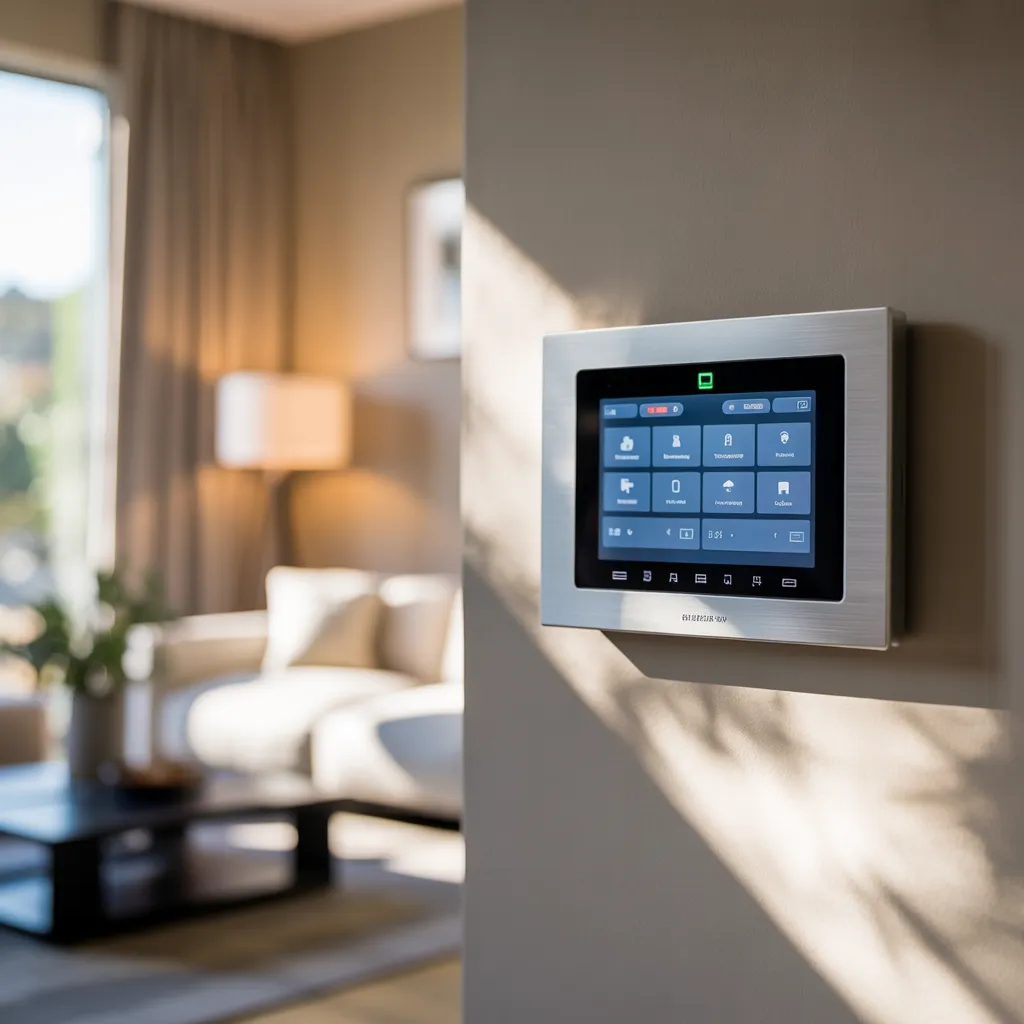
Technology fulfills a critical purpose in boosting security services for businesses, providing tools that can substantially bolster safety measures. With cutting-edge surveillance systems, you can oversee your premises in real-time, confirming that any suspicious activity is identified immediately. Access control systems permit you to manage who enters your facilities, decreasing unauthorized access. Additionally, alarm systems can warn you and authorities during emergencies, minimizing response time. Mobile applications also enable you to manage security operations from anywhere, granting you peace of mind. Additionally, data analytics can help uncover potential vulnerabilities, allowing you to enhance your security posture. Utilizing these technological solutions can significantly improve your business's safety and create a secure environment for your employees and assets.
How to Create a Personalized Security Plan?
To create a customized security plan, you first need to assess your business needs. Following this, identify potential risks unique to your operations. Finally, implement tailored security solutions that effectively address those risks.
Evaluate Your Organization Demands
How can you ensure your business is adequately protected? Start by assessing your individual requirements. Take into account elements like the size of your business, the industry you're operating in, and the categories of assets you need to protect. Speak with your team and collect information about possible weaknesses within your operations.
Following this, identify your security requirements. Do you require surveillance systems, access control, or on-site security personnel? Adapt your plan based on what's most critical for your business.
In conclusion, consult with security specialists who can help you design a tailored security strategy. These professionals will analyze your situation, recommend solutions, and make certain you have the correct resources in place. With a comprehensive analysis, you can develop a robust security strategy that safeguards your business efficiently.
Determine Prospective Risks
While examining your business needs, determining potential risks is critical for creating a personalized security plan. Start by reviewing your physical environment, identifying vulnerabilities like unsecured entrances or insufficient lighting. Subsequently, consider your industry—what threats are common? Digital security is crucial, so look for data breaches or hacking attempts. Don't overlook internal risks; employee misconduct can be harmful. Involve your team in this process, as they may spot risks you fail to notice. Watch local crime trends, too, since they can affect your safety. By grasping these risks, you'll be more ready to adjust your security measures effectively, making certain your business remains safeguarded and resilient in the face of potential threats.
Establish Security Solutions
Developing a customized security plan begins with evaluating your unique business needs and the risks you've recognized. Consider the size of your business, the nature of your operations, and your assets. Next, prioritize your risks and determine which security solutions address them most effectively. You might need a combination of physical security measures, like surveillance cameras and access control, alongside digital solutions, including firewalls and encryption. Collaborate with security professionals to customize these solutions to fit your budget and requirements. Consistently review and adjust your plan as your business grows, ensuring ongoing protection. By proactively implementing these strategies, you'll establish a secure environment that fosters confidence, allowing you to focus on growing your business without constant worry.
Economic Advantages of Investing in Security Services
Allocating resources to security services can substantially enhance your business's financial health, especially when you factor in the potential costs of security breaches. By preventing theft, vandalism, and fraud, you're not just protecting your assets but also reducing costly damages and insurance premiums. A secure environment enhances employee productivity and customer trust, contributing to increased sales and loyalty. Moreover, potential clients often favor businesses that prioritize security, giving you a competitive benefit. Allocating funds to security services can also reduce downtime after incidents, which often causes lost revenue. In the end, the initial expense of these services proves worthwhile by protecting your bottom line and ensuring long-term financial stability for your business.
Professional Security Services and Their Psychological Impact
When you invest in professional security services, you're not just securing your business; you're also enhancing employee confidence. A secure environment can considerably reduce anxiety levels, enabling your team to dedicate themselves to their work. This psychological assurance can bring about greater productivity and overall job satisfaction.
Improved Employee Confidence
A feeling of safety in the workplace substantially boosts employee confidence, leading to heightened productivity and morale. When you know that professional security services are in place, you can concentrate on your tasks without the nagging worry about potential threats. This peace of mind fosters a more positive atmosphere, encouraging cooperation and innovation. Employees feel valued and protected, making them more likely to immerse themselves in their work. Additionally, a secure environment builds trust in management, as it shows that the company prioritizes your safety. This confidence results in better performance, as you're empowered to contribute and take initiative. Ultimately, a professional security presence develops a strong, motivated workforce ready to tackle challenges head-on.
Lowered Worry Conditions
Feeling safe in your workplace can significantly decrease anxiety levels, enabling you to dedicate yourself to your tasks without the persistent concern of potential threats. When professional security services are in place, you can attend to your responsibilities, knowing that trained personnel are monitoring your environment. This peace of mind fosters a positive atmosphere, facilitating collaboration and creativity among employees. You'll feel motivated to engage fully in your work, uninhibited by fears of safety concerns. As stress diminishes, productivity often increases, advantaging both you and your organization. Ultimately, investing in security services not only secures your physical space but also supports a healthier mental state, making your workplace a more agreeable and efficient environment.
Popular Questions
How Should I Pick the Right Security Service Provider?
To select the right security service provider, determine your particular needs, research local alternatives, read testimonials, and ask for recommendations. Interview potential providers to gauge their expertise and verify their services align with your expectations.
What Credentials Should Security Staff Have?
Security staff must have appropriate credentials, practical industry experience, excellent interpersonal abilities, physical fitness, and a background check. Look for those with instruction in urgent situation handling, disagreement resolution, and customer service to boost your safety.
How Should I Evaluate My Present Security Measures?
To assess your current security measures, analyze incident reports, evaluate access controls, and conduct employee surveys. Carry out regular security audits, and maintain awareness of industry standards to identify potential weaknesses and improvements.
What Are the Frequent Misconceptions About Security Services?
Many people feel security services are exclusively for big businesses or that they're too expensive. You might feel they guarantee total protection or necessitate no ongoing management. These myths can prevent you from maximizing your security alternatives.
How Often Should I Review My Security Plan?
You need to review your security plan no less than once a year, or whenever significant changes occur in your business. Routine evaluations help you detect vulnerabilities and ensure your strategies remain effective in protecting your assets.