A Complete Guide to Choosing the Right Access Control Security Solutions
With regards to protecting your organization, picking the right access control security solution is crucial. You should comprehend your particular needs and evaluate different features that can improve your security. From user-friendly interfaces to compliance regulations, every detail is important. So, what should you focus on first to ensure you make the best decision for your organization's safety? Let's examine the fundamental aspects that will direct you through this process.
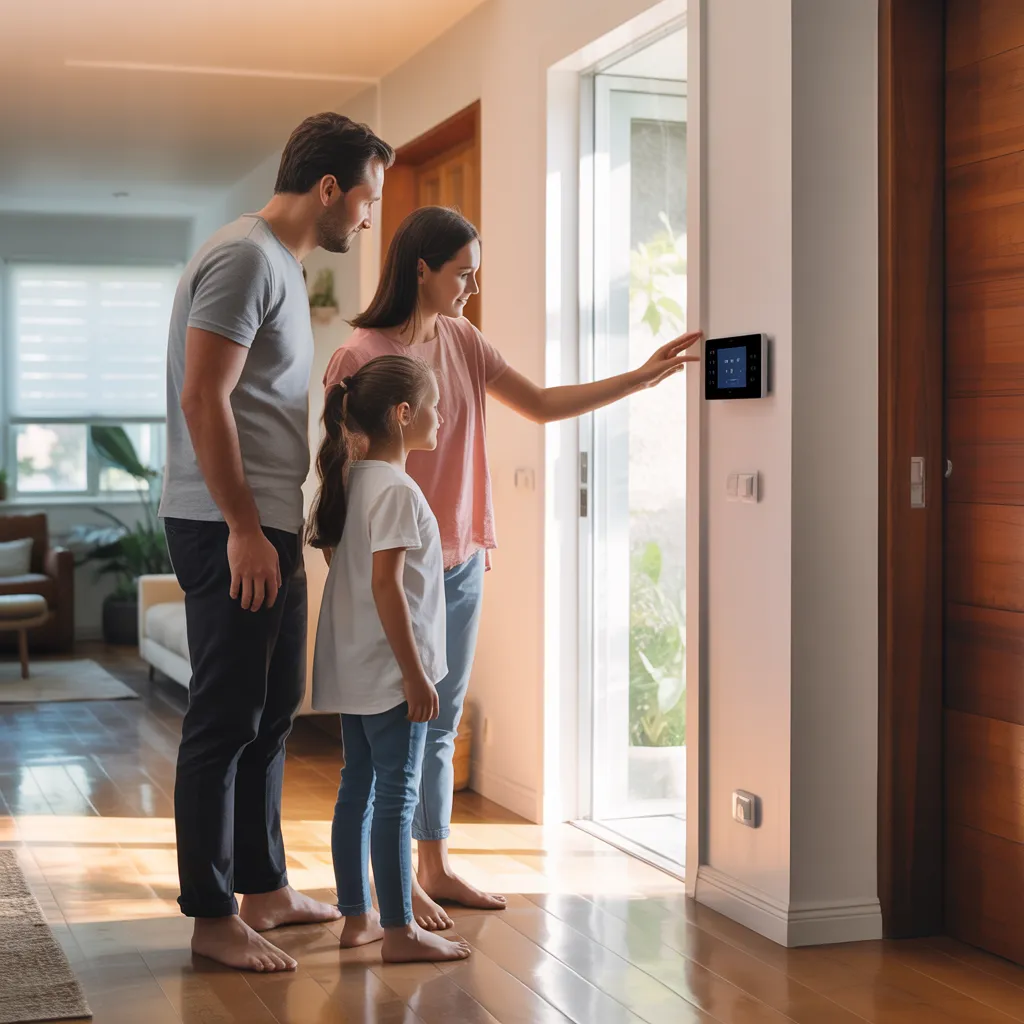
Understanding Access Control: What It's All About and Why It Is Important
Access control is vital for securing your critical assets and data, especially in a world where security threats are becoming more prevalent. It encompasses the methods and technologies you use to oversee who can access your property, infrastructure, or sensitive data. By deploying effective access control measures, you're ensuring that only verified users can gain entry to sensitive areas or view critical information. This not only safeguards your resources but also enables you to adhere to regulations and copyright your reputation. Understanding access control is fundamental for identifying possible security gaps and managing security risks. It empowers you to create a protected space where protection and reliability prevail, permitting your organization to run seamlessly and productively while limiting the likelihood of unauthorized access.

Key Features to Assess When Selecting Access Control Solutions
When selecting access control solutions, there are several essential features you should consider to provide maximum security for your organization. First, look for user-friendly interfaces that provide easy management of access rights. Scalability is crucial; choose a system that can grow with your organization. Integration capabilities with existing security systems can enhance overall effectiveness. Multi-factor authentication adds an extra layer of protection, while real-time monitoring assists you to track access events. Additionally, verify the system offers robust reporting features to analyze security data effectively. Finally, consider mobile access options, letting you manage permissions remotely. By centering on these features, you can improve your organization's security posture and streamline access management.
Which Access Control System Is the Right Choice for You?
How do you identify which type of access control system best fits your needs? Begin by assessing your security needs. Are you protecting a single School Security Systems entry point or multiple locations? Consider whether you need a standalone system for simplicity or a networked solution for broader coverage. Next, evaluate the level of access you want to grant; do you need access cards, biometric scans, or mobile access? Consider future scalability—will your system need to scale with your organization? Finally, take into account the user experience; a system that's user-friendly will promote compliance. By evaluating these factors, you'll be well on your way to selecting the right access control system suited to your specific needs.
Determining Your Access Control Budget
When establishing your access control budget, it's crucial to establish the total costs required, including setup and upkeep. You need to factor in your upcoming requirements, as expanding your system later can be more costly than planning ahead. By implementing these measures, you can ensure your budget matches your security goals.
Establish Total Expenditures
Setting a budget for your access control system is vital to ensuring you don't overspend while still meeting your security requirements. Begin by identifying all potential costs, including equipment, installation, and ongoing maintenance. Include the expense of access control hardware like keypads, card readers, and locks, as well as software for managing user access. Don't overlook installation fees, which can vary based on the complexity of your system. Moreover, consider any required upgrades or expansions, such as adding more doors or integrating with other security systems. Finally, remember to designate funds for training your staff on the new system. By thoroughly estimating these expenses, you'll create a feasible budget that supports your security objectives.
Think About Upcoming Necessities
Although it's vital to define a budget for your immediate access control demands, you also must not disregard the necessity of planning for future requirements. Evaluate your organization's progression and how that would impact your security demands. If you expect expansion, your access control system should be adaptable. Look into solutions that permit easy upgrades or integrations with new technologies. Furthermore, think about potential changes in regulations or security threats that could require advanced features. Setting aside resources for these future enhancements can save you from costly replacements down the line. By factoring in future requirements now, you'll guarantee your access control system remains efficient and adaptable, corresponding to your organization's evolving security landscape.
Ways to Integrate Access Control Into Existing Systems
What's the best way to seamlessly integrate access control with your existing systems? Start by analyzing your existing infrastructure to determine compatible technologies. Choose access control solutions that support open standards, making it easier to connect with your present hardware and software. Coordinate with your IT team to map out integration points, guaranteeing smooth data flow between systems. Use APIs or middleware to bridge gaps and enhance functionality without major overhauls. Test the integration in stages, enabling you to troubleshoot any issues before full implementation. Lastly, deliver training for your staff to familiarize them with the new system, guaranteeing everyone understands how to operate it effectively. This proactive approach will help streamlining your security processes and improve overall efficiency.
Access Control Compliance: What You Need to Know
Regarding access control compliance, comprehending regulatory standards is critical for your organization. You'll need to implement best practices that not only satisfy these standards but also strengthen your security measures. Let's look at what you need to know to keep your access control solutions both compliant and effective.
Regulatory Standards Overview
Understanding regulatory standards is critical for effective access control compliance, as these guidelines help organizations safeguard sensitive information and maintain operational integrity. Get acquainted with key regulations like GDPR, HIPAA, and PCI-DSS, which determine how data should be safeguarded and accessed. Compliance isn't just about avoiding penalties; it establishes trust with clients and partners. Each regulation has unique requirements, so you'll need to assess your access control systems against these standards. Regular audits and assessments can help confirm you're meeting the required criteria. Keeping up to date with changes in regulations is imperative, as non-compliance can lead to severe consequences. By emphasizing compliance, you're not only securing your organization but also enhancing its reputation and reliability.
Best Practices for Implementation
Having a strong understanding of regulatory standards, you'll be able to implement effective access control solutions that correspond to compliance requirements. Begin by assessing your organization's distinct demands and risk factors. This guarantees you opt for the right technology and processes tailored to your environment. Next, engage key stakeholders in the planning phase to obtain knowledge and encourage support. Once you've deployed your access control systems, carry out regular audits and training sessions to keep everyone educated and aligned. Don't forget to document all procedures and changes for accountability. Finally, stay updated on developing regulations and industry best practices to update your systems accordingly. This proactive approach not only safeguards your assets but also assists in maintaining compliance effortlessly.
What's on the Horizon for Access Control Technology?
What cutting-edge developments are coming to access control systems? You can expect progress in biometric authentication, including fingerprint scanning and facial recognition, rendering access more protected and easier to use. Cloud-based solutions are likely to gain traction, providing improved flexibility and more efficient management of access rights. AI technology will advance threat detection capabilities, examining patterns and identifying anomalies in real-time. Mobile-based access control is gaining popularity, allowing you to gain entry to doors using your smartphone, optimizing the user experience. In addition, integration with IoT devices will create smarter environments where access control systems communicate seamlessly with other security measures. As these innovations develop, you'll see solutions that enhance security while improving operational efficiency. Watch for these thrilling technological breakthroughs!
Popular Questions
What's the Best Way to Select a Credible Access Control Vendor?
To pick a dependable access control provider, examine their reputation, request client testimonials, evaluate their systems, and verify they offer support. Prioritize suppliers with expertise in your sector for tailored solutions that meet your needs.
What Common Mistakes Should Be Avoided in Access Control Selection?
You should avoid overlooking your particular requirements, overlooking scalability, failing to consider user training, and not accounting for integration with current infrastructure. Resist the urge to rush; be sure to research and compare different options thoroughly.
How Often Do Access Control Systems Need to Be Updated?
You need to update your access control systems once per year at minimum, or whenever substantial changes take place in your organization. Periodic updates work to copyright security, fix vulnerabilities, and provide maximum performance for your needs.
Can Access Control Systems Work in Remote Locations?
Absolutely, access control systems can be deployed in remote locations. You can control and supervise them through cloud-based platforms, guaranteeing security even when you're not physically present. Just confirm reliable internet connectivity for best performance.
What's the Typical Lifespan of Access Control Hardware?
Access control hardware typically lasts from five to ten years, depending on operating conditions and environmental factors. Regular maintenance helps prolong its useful life, so you should monitor its functionality and condition.