The Importance of Home Security in Stopping Burglaries and Emergencies
Securing your residence is critical for defending your property and family members against possible dangers. With a selection of systems to choose from, you can find the right fit for your needs. From alarm systems to smart cameras, each feature serves a purpose in preventing crime and managing emergencies. But how do these tools function collectively to improve your safety? We'll examine the key features of an effective home security plan.
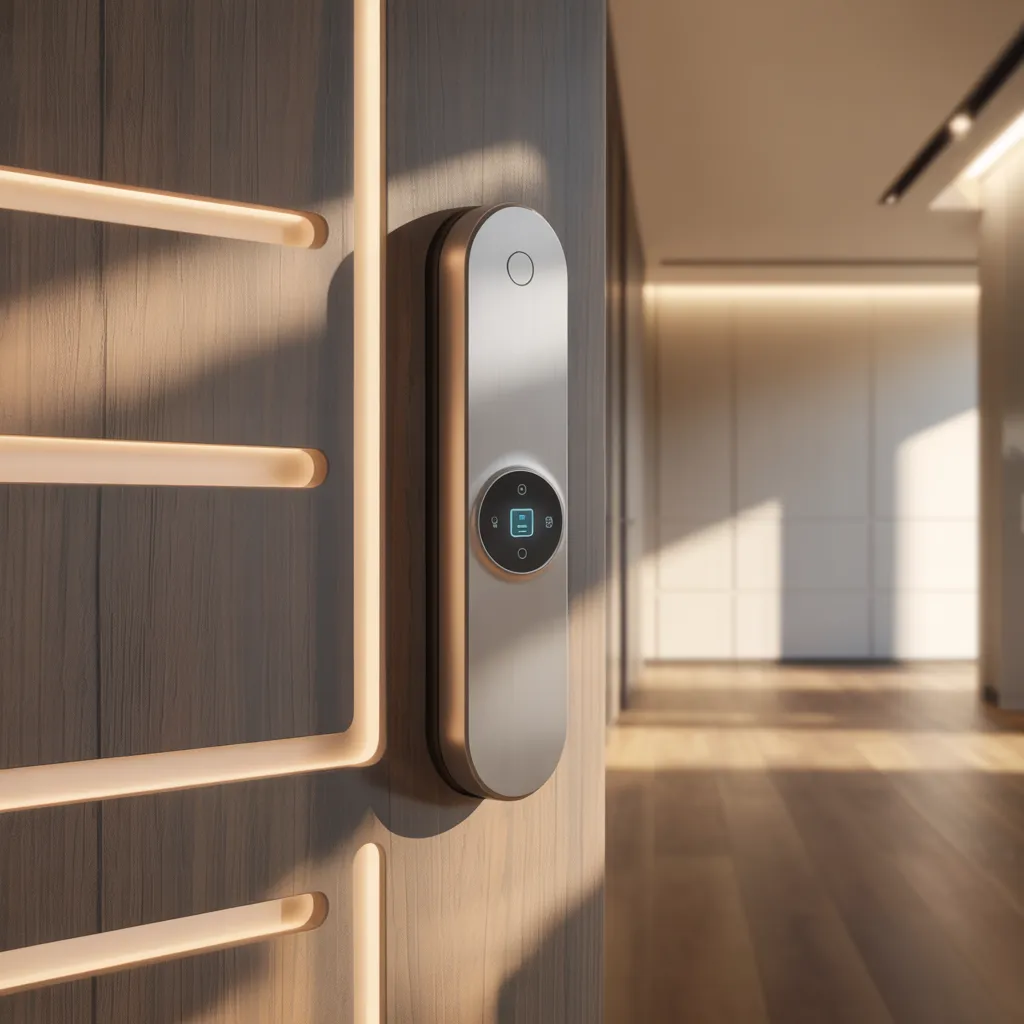
The Significance of Home Security
When you consider keeping your home safe, it becomes apparent that effective security measures are essential. A solid home security system not only discourages criminals but also provides you with peace of mind. Understanding that you've implemented measures to protect your family and belongings makes you feel more secure in your own space. Furthermore, a properly executed security strategy can minimize the risk of theft, which can be devastating both emotionally and financially. You shouldn't overlook the importance of visibility; adequately lit exteriors and visible security features make a substantial impact. By emphasizing home security, you're investing not just in physical safety but also in your family's overall health. Don't forget, a proactive approach today can avoid potential dangers tomorrow.
Home Security System Options to Explore
With regard to securing your house, you've got some options to examine. Wired security systems offer reliability, while wireless options offer flexibility and simple installation. Plus, adding smart home technology can strengthen your protection and comfort.
Cable-Based Security Systems
When property owners evaluate security solutions for their residences, wired alarm systems distinguish themselves through their consistency and efficacy. Such systems link straight to your property's power infrastructure, providing a stable power source and consistent performance. You can eliminate anxiety about battery malfunctions or service disruptions, which may expose you to security risks. These connected systems commonly incorporate sensors for doors and windows, motion detectors, as well as video monitoring devices, all working together to create a thorough security network.
Setup may require professional help, but it ensures a permanent and secure setup. Moreover, these systems typically integrate with home automation features, giving you improved control over your home security. If you're seeking a reliable option, wired security systems are certainly worth considering.
Wireless Safety Systems
Wireless security systems have gained significant popularity among homeowners looking for flexibility and ease of installation. These systems typically include motion sensors, door/window sensors, and cameras that connect via Wi-Fi, allowing you to monitor your home from anywhere. You can install your system without needing extensive wiring, making it perfect for renters or anyone wanting a quick setup. Many wireless options also feature smartphone apps, so you can receive instant alerts and control your security features remotely. Battery-powered devices deliver added convenience, eliminating the hassle of finding power outlets. Whether you're looking for a basic setup or a thorough security system, wireless solutions offer a customizable approach to protecting your home.
Home Automation Integration
Incorporating smart home technology into your security infrastructure can substantially enhance your home's safety and convenience. By selecting systems like smart cameras, motion sensors, and smart locks, you're not just putting money into security but also in peace of mind. These devices permit you to monitor your property in real-time from your smartphone, giving you control no matter where you are.
Consider systems that connect with your existing smart home devices for smooth operation. Features including remote locking, alerts for suspicious activity, and automatic lighting can deter potential burglars. Additionally, you can personalize settings and routines to fit your lifestyle. With smart home integration, you can keep one step ahead in safeguarding your home and loved ones.
How Alarm Systems Prevent Burglaries
In terms of safeguarding your property, alarm systems fulfill an important role in deterring burglars. The mere presence of an alarm can make potential intruders reconsider before initiating a break-in. When burglars search neighborhoods, they typically seek out homes that lack visible security measures. An alarm system delivers a clear message: your property is protected and not an easy target.
Nearly all alarm systems emit loud sirens when set off, which can deter intruders and alert nearby residents. Furthermore, some systems include signs or stickers School Security Systems showing your home is monitored, additionally discouraging criminal activity. By investing in an alarm system, you're not only securing your property but also creating a sense of security for you and your family.
House Security: The Way Smart Cameras Prevent Criminal Behavior
Smart surveillance cameras fulfill an important role in improving your home security by providing clear visibility that deters potential intruders. With instant monitoring, you can keep an eye on your property from anywhere, offering an extra layer of protection. Additionally, these devices are extremely valuable for obtaining evidence if a crime happens, enabling law enforcement initiate swift action.
Prevention Through Being Visible
Visibility plays an essential role in dissuading potential burglars, as the sheer existence of smart cameras can substantially lower crime rates. When you position these cameras around your property, you transmit a clear message: your home is under surveillance and secured. Burglars commonly seek easy targets, and seeing cameras makes them hesitate.
The tactical arrangement of cameras can boost visibility, covering entry points and weak spots. This not only helps to deter crime but also provides peace of mind for you and your family. A well-lit property, combined with visible cameras, creates an environment that discourages criminal activity. By adopting smart cameras, you're not just improving security; you're actively stopping potential threats before they even materialize.
Advantages of Real-Time Monitoring
Through activating real-time monitoring, you can substantially boost your home security and rapidly react to potential threats. Smart cameras let you keep an eye on your property from anywhere, whether you're at work or on vacation. You'll receive prompt notifications on your smartphone if suspicious activity is detected, letting you to act fast. This prompt detection can deter burglars, as they know they're being watched. Plus, real-time feeds permit you to check in on your home whenever you want, delivering peace of mind. When you're aware of your surroundings, you can also guarantee your loved ones are safe and sound. Establishing real-time monitoring is a proactive step toward creating a safer home environment.
Proof Collection Capabilities
Continuous surveillance helps you remain conscious of possible dangers while also serving a crucial function in gathering evidence. Through smart surveillance systems, you can document high-definition footage of any dubious behavior near your residence. Such recorded evidence can be essential should an intrusion happen. Having sharp footage or recordings of trespassers reinforces your claim with police and insurance providers. Several systems further allow you to preserve and circulate this evidence simply, ensuring accessibility whenever needed. Moreover, particular cameras offer functions like facial detection and motion warnings, supplying extra instruments to safeguard your property. By investing in smart cameras, you enhance your ability to protect your home and gather essential evidence against criminals.
Essential Crisis Elements in Residential Security
Although you might have an extensive home security system in place, it's critical to verify it includes key emergency features that can make all the difference in a crisis. First, check that your system has a reliable panic button. This permits you to alert authorities promptly if you feel threatened. Next, consider smoke and carbon monoxide detectors; they can save lives by warning you about dangerous situations. Additionally, integrate an emergency lighting system to illuminate pathways during power outages, enabling you to travel safely. Finally, include a backup power source for your security system to keep it running during emergencies. By focusing on these vital features, you'll improve your home's safety and be better prepared for unanticipated situations.
Implementing Smart Technology Within Home Security
Incorporating smart technology can greatly improve your home security system, making it more reliable and responsive. Smart cameras allow you to monitor your property in real-time, sending alerts directly to your smartphone whenever they detect movement. Smart locks allow you to control access remotely, ensuring you can grant entry to trusted visitors without needing a physical key. Furthermore, integrating smart lights can prevent potential intruders by simulating your presence at home. Voice-activated assistants can assist you control all these devices seamlessly, providing convenience at your fingertips. By using smart technology, you gain peace of mind, knowing you can keep an eye on your home regardless of your location, making it a vital part of modern home security.
Practical Tips for Upgrading Your Home Security
To boost your home security successfully, begin by analyzing your property's vulnerabilities. Examine doors and windows; ensure they're secure, and install deadbolts where needed. Consider adding motion-sensor lights around your home's exterior to deter trespassers. Next, invest in a reliable security system with cameras that can be monitored remotely. Don't forget to strengthen your garage and shed, as they can be easy targets. Trim shrubs that might give cover for burglars, and verify your outdoor area is well-lit. Finally, connect with your neighbors; a watchful community can be your best defense. By taking these practical steps, you'll create a safer environment and significantly reduce the risk of break-ins and emergencies.
Common Questions
What's the Typical Cost of a Home Security System?
A typical home security system runs between $200 and $1,500, depending on installation and features included. Monthly monitoring fees range from $20 to $60. It's worth investing in peace of mind for your safety.
Am I Able to Install a Home Security System on My Own?
Yes, you can install a home security system yourself. Most systems include easy-to-follow instructions and need only basic tools. Just make sure to research options that suit your needs and follow safety guidelines during installation.
What Are the Major Signs of a Possible Burglary?
You'll observe signs like broken locks, unfamiliar footprints, or windows left ajar. If you spot someone loitering or your neighbors report suspicious activity, it's wise to stay vigilant and alert the authorities.
How Often Do I Need to Update My Home Security System?
It's advisable to update your home security system every few years, or sooner if technology evolves substantially. Regularly check for software updates and contemplate upgrading components when they show signs of wear or decreased performance.
Can Home Security Lower Your Insurance Costs?
Having home security systems can result in insurance discounts. Many insurance companies give discounted rates for homes that have security systems, as they reduce the risk of theft and damage. Be sure to consult your insurance provider for particular discounts.