Business Security Systems and Their Role in Ensuring Operational Safety
In our modern fast-moving commercial setting, security systems are no longer merely a choice; they're essential for safeguarding your resources and staff. By deploying a solid security framework, you can prevent potential threats while building a culture of safety. But what exactly makes these systems successful, and how can you adapt them to suit your individual needs? Understanding the intricacies of business security could be the key to guaranteeing seamless operations and mental tranquility.
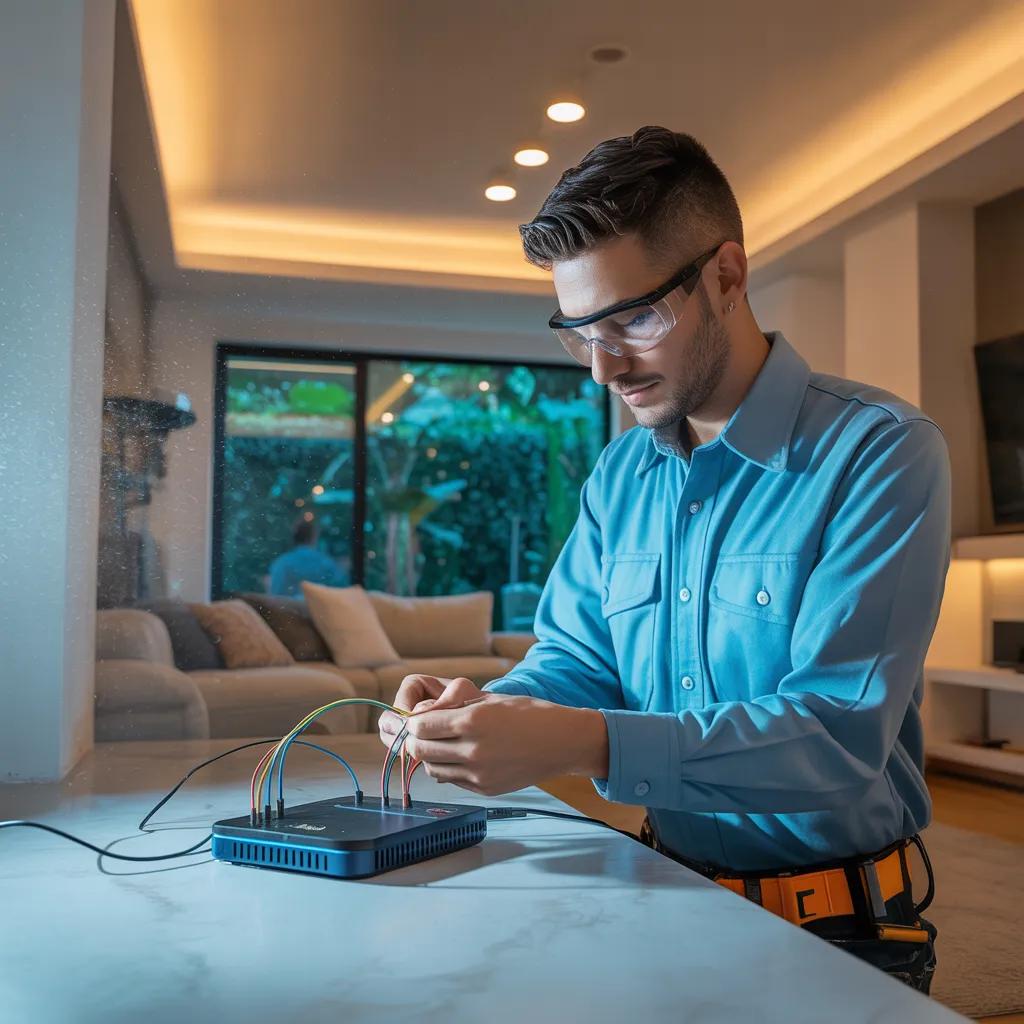
The Significance of Business Security Systems
As you examine the potential hazards your Georgia-Florida Security & Fire business faces, it's apparent why security systems are crucial. Shielding your assets from theft, vandalism, and unauthorized access is vital for upholding operational integrity. A reliable security system not only shields your physical property but also strengthens employee safety, promoting a secure working environment. In addition, it helps you follow regulations and avoid costly fines associated with safety and security breaches. Having a security system in place can deter criminal activity, confirming your business remains a safe space for both employees and customers. By investing in security measures, you display your commitment to protecting your business's future, enabling you to focus on growth and success without the constant worry of potential threats.
How Technology Shapes Modern Business Security
As technology continues to evolve, it maintains a crucial part in shaping modern business security solutions. You can harness advanced tools like artificial intelligence and machine learning to strengthen threat detection and response. These technologies evaluate behavioral patterns in real-time, allowing you to identify potential risks before they escalate. Cloud-based security systems provide remote monitoring, giving you the flexibility to oversee your security from anywhere. Mobile apps can supply instant alerts and updates, keeping you connected to your business's safety. Furthermore, integrating biometric systems ensures that only authorized personnel access sensitive areas. By embracing these technological advancements, you're not just protecting your assets but also fostering a safer environment for both staff and customers.
Essential Elements of an Reliable Security System
To create an effective security system, you should focus on key components such as surveillance camera systems and access control measures. These elements work together to monitor and regulate who can gain entry to your premises. By installing them, you can significantly enhance your business's security.
Video Surveillance Systems
Security camera systems are essential for any comprehensive security approach, offering peace of mind and a proactive stance to safety. These systems allow you to monitor your premises in real-time, deterring potential threats and offering valuable evidence in case of incidents. When picking a camera system, consider image quality, field of view, and low-light capabilities to ensure clear images under various conditions. Additionally, integrating cameras with remote access features allows you to monitor your property from anywhere. Regular maintenance and updates are vital to keep your system performing at peak levels. By investing in a robust surveillance setup, you empower your team to focus on operations while you secure your assets, creating a safer environment for everyone.
Access Control Measures
While surveillance camera systems fulfill a key role in monitoring your business, access control systems are equally vital for safeguarding your premises. These systems help you manage who can enter specific areas, reducing the risk of unauthorized access. You can deploy keycard systems, biometric scanners, or mobile access solutions to verify only authorized personnel can enter restricted locations.
Tracking access logs can also help you track movements within your premises, improving accountability. Consistently updating access rights and conducting audits maintains that your security remains robust. By pairing these measures with your surveillance systems, you create a thorough security strategy that safeguards your assets and strengthens overall operational safety. Prioritizing access control is essential to maintaining a secure environment for your business.
Spotting Common Security Risks
With businesses becoming increasingly technology-dependent, detecting common security risks becomes critical for securing assets and maintaining operational integrity. You should begin by evaluating potential threats, such as data breaches, unauthorized access, and physical theft. Cyber threats, for example phishing and ransomware, can undermine sensitive information and disrupt operations. Furthermore, insider threats from employees can pose substantial risks if proper protocols aren't followed. Don't disregard about environmental risks, such as natural disasters or equipment failure, which can also compromise your security. By recognizing these vulnerabilities, you can better prepare your organization to tackle them head-on. A proactive approach to recognizing risks guarantees that you stay one step ahead, ultimately protecting your business's reputation and financial stability.
Key Techniques for Analyzing Your Security Priorities
How should you properly evaluate your security requirements to protect your company? Initiate the process with a detailed risk analysis. Identify vulnerabilities in your operations, from physical access points to digital data. Bring employees into discussions about their apprehensions and experiences; they regularly discover concerns you could overlook. Subsequently, examine your present security systems. Are they adequate, or do they leave gaps? Study sector guidelines and best practices to assess your security measures. Next, take into account your company size, geographic position, and operational characteristics; these elements affect your particular requirements. Ultimately, collaborate with security professionals to acquire recommendations suited to your scenario. This thorough method confirms you comprehend your security situation and can establish effective safeguards.
Developing Staff Competency in Security Protocol Implementation
Educating your staff on proper security measures is crucial for safeguarding your company. Ongoing learning initiatives maintain staff awareness of emerging risks and recommended approaches, while interactive drill activities create hands-on and impactful educational experiences. By emphasizing security education, you equip your employees to perform decisively in securing your company.
Importance Of Security Training
Robust security training is crucial in safeguarding your business against potential threats. When you provide your employees with the right knowledge and skills, they become your first line of defense. Understanding security protocols helps them identify suspicious activities and respond appropriately. This proactive approach decreases risks and fosters a culture of vigilance within your organization.
Additionally, thoroughly trained employees are more confident in their responsibilities, which can lead to improved morale and productivity. They'll know how to handle emergencies, decreasing panic and confusion during critical situations. By making a priority of security training, you are not only defending your assets but also preparing your team to foster a safer work environment. Finally, a strong security foundation starts with knowledgeable and prepared employees.
Consistent Training Sessions Required
Although security protocols can be intricate, regular training sessions help guarantee that employees grasp and implement them effectively. These sessions equip you with the tools and knowledge to navigate potential security threats confidently. By engaging in consistent training, you'll keep updated on the latest security measures and industry standards. It's essential that everyone knows their role in maintaining safety and responding to incidents.
You'll be able to clear up confusion and raise questions in a nurturing setting. This promotes a culture of security awareness, making it simpler for you and your peers to spot vulnerabilities. In the end, investing in regular training not only protects your business but also equips you to support a safer workplace.
Interactive Training Drills
Regular training sessions lay the groundwork for more interactive learning experiences, such as engaging simulation exercises. These simulations allow you to practice real-world scenarios in a controlled environment, helping you understand security protocols more effectively. By engaging in these exercises, you'll obtain hands-on experience, promoting quick decision-making and teamwork. You'll learn to spot potential threats and respond appropriately, improving your confidence in handling security breaches. Additionally, feedback from instructors during these simulations permits you pinpoint areas for improvement. This active approach to training ensures that you're not just memorizing procedures but truly understanding how to apply them in real-life situations. Finally, engaging simulations strengthen your readiness and contribute to a safer workplace for everyone.
Examine Your Security System Efficiency
How do you determine whether your security system is functioning properly? First, establish a habit of reviewing incident reports and security logs regularly. Look for patterns or frequent breaches that indicate weaknesses. Conduct routine tests, like simulated break-ins, to evaluate your system's response. Furthermore, gathering employee insights about security protocol experiences is vital. Do they have confidence in their safety? Do communication breakdowns exist? Also, assess whether your technology needs enhancement. Fresh security risks appear regularly, and old systems struggle to maintain pace. Lastly, evaluate your security training initiatives to ensure staff readiness. When you review these components, you'll obtain clarity on your system's efficiency and recognize advancement opportunities, keeping your business safe and operationally sound.
Common Questions
How Much Do Commercial Security Systems Generally Cost?
Commercial security systems usually range between $1,000 and $10,000, depending on your needs. Variables including system complexity, installation, and monitoring services influence the price, so it's wise to compare options before choosing.
What Are the Legal Requirements for Business Security Systems?
You must follow municipal requirements, which often involve implementing alarms, surveillance cameras, and access controls. In addition, particular industries could have special standards to observe, so verify pertinent laws for your type of business.
Can Advanced Security Technology Fit Within Small Business Budgets?
Small businesses have access to affordable advanced security technology. Various choices are accessible, featuring flexible subscription models and scalable solutions. You can choose systems that align with your budget, guaranteeing protection without excessive costs.
How Regularly Should Security Systems Be Updated or Upgraded?
Your security systems should be updated or upgraded every few years, or sooner when technology progresses substantially. Regular assessments help identify vulnerabilities, ensuring your security remains effective against evolving threats and potential risks.
What Should I Do When a Security Breach Takes Place?
In the wake of a security breach, you should without delay determine the impact, notify those compromised, change passwords, and reinforce your security measures. Finally, log the incident and examine your protocols to prevent future breaches.