Why Enhancing Business Security Systems Can Prevent Costly Losses
Improving your business security systems involves more than just following trends; it's a critical step to protect your assets. You might be overlooking vulnerabilities that could result in considerable losses. Modern technology provides solutions that can deter threats successfully. But have you considered how a breach could impact your reputation? Understanding these aspects can redefine your approach to security and protect your business's future. What steps are you ready to pursue?
Discovering Flaws in Your Existing Security Systems
Do you truly understand your current security systems? It's crucial to review their effectiveness regularly. Begin by identifying any gaps in your digital and physical security measures. Are your surveillance cameras modern and properly positioned? Check for blind spots that could be exploited. Next, assess your access controls. Are employees using robust, distinctive passwords? Inadequate authentication can lead to breaches. Don't neglect employee training—your team should recognize security threats like phishing. Routinely review your protocols to guarantee they align with current best practices. A comprehensive vulnerability assessment can reveal weaknesses you might not notice. By being proactive, you can better protect your assets and reduce potential losses, keeping your business protected in an ever-evolving landscape.
How Current Technology Upgrades Business Security Systems
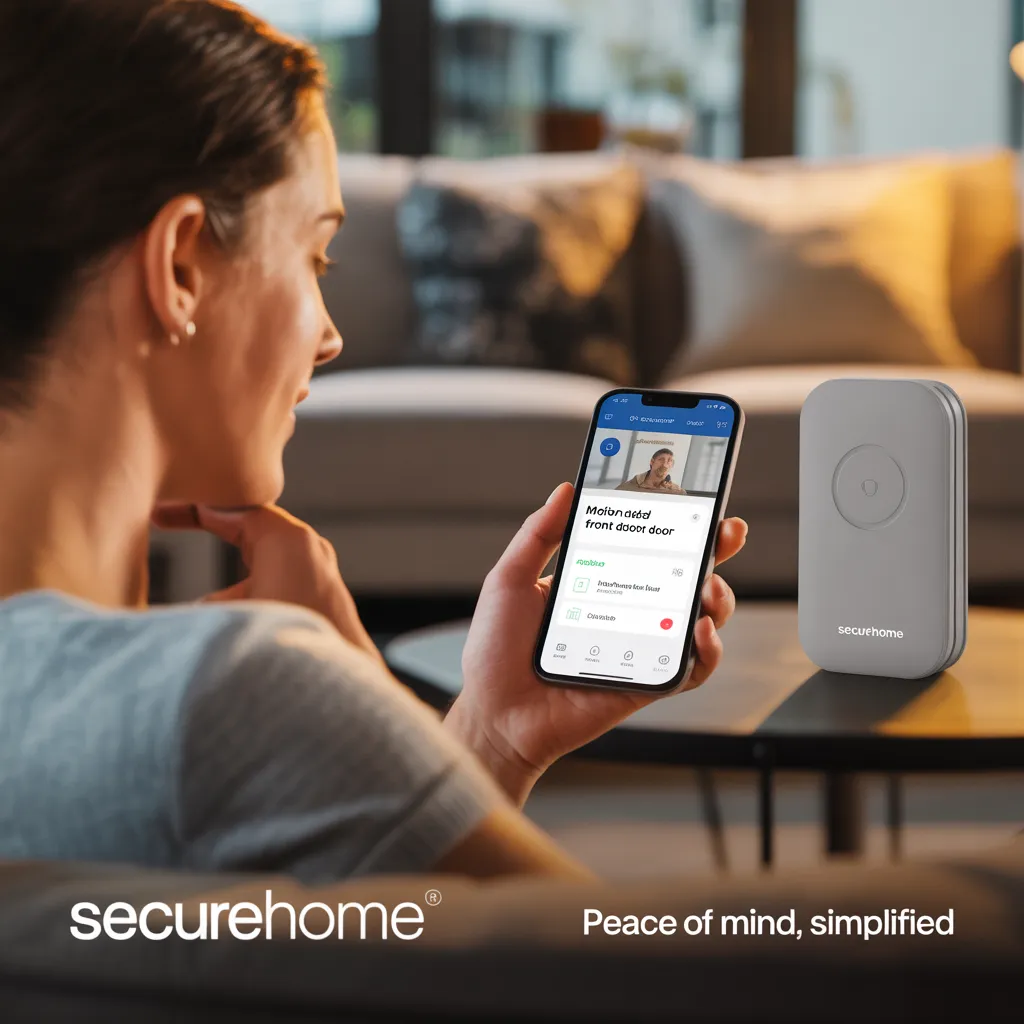
With businesses confronting more advanced security challenges, employing modern technology is imperative for enhancing security systems. You can incorporate smart surveillance cameras that employ AI to identify unusual activities, offering real-time alerts. Access control systems with biometric features ensure only authorized personnel reach sensitive areas. Cloud-based security solutions enable remote monitoring and management, offering you peace of mind whether you're on-site or away. Furthermore, analytics tools can help you examine patterns and vulnerabilities, supporting proactive measures. By adopting these technologies, you not only strengthen your defenses but also refine your operations. Committing to modern security tools ultimately safeguards your assets and boosts your overall business resilience against changing threats.
The Impact of Cybersecurity Breaches on Your Reputation
Should a data breach occur, the resulting damage can significantly damage your business's reputation. Customers trust you to secure their private information, and when that trust is broken, it can be tough to rebuild. Damaging news coverage and poor customer testimonials can tarnish your brand image, resulting in lost customers and reduced revenue.
Additionally, news spreads quickly; a single incident might deter potential clients from selecting your services. Collaborators and stakeholders might also rethink their affiliations with your firm, concerned that their own reputations could be affected.
Committing to strong cybersecurity measures not only protects your data but also reinforces your reputation. By displaying a focus on security, you create confidence in your customers and assure them that their information is protected under your care.
Upgrading Physical Security: Protecting Your Premises
Improving your physical security is crucial for securing your premises and guaranteeing the safety of your employees and assets. By implementing advanced security measures like surveillance cameras, access control systems, and alarm systems, you build a safer environment. These upgrades deter potential intruders and offer valuable evidence in case of incidents. Frequently evaluating your security vulnerabilities helps you identify areas needing improvement, making certain that your systems are always up to date. Furthermore, integrating technology such as motion sensors and smart locks can improve your security protocols. Bear in mind, a secure business not only shields your physical assets but also enhances employee morale and customer confidence, ultimately resulting in a healthier bottom line. Never underestimate the importance of a comprehensive physical security strategy.
Why Worker Training Is Critical for Effective Security
Even though sophisticated security systems are essential, the effectiveness of these measures hinges greatly Home Automation And Security on employee training. You need to ensure your team understands how to operate these systems and recognize potential security threats. Consistent training sessions help employees stay informed on best practices, making them more vigilant and responsive to suspicious activities. When employees know their roles in maintaining security, they become your first line of defense. Foster open communication, allowing them to report concerns without hesitation. By investing in comprehensive training, you not only enable your staff but also foster a culture of security awareness. Ultimately, well-trained employees can markedly reduce the risk of breaches, securing your business and contributing to its overall success.
Legal Consequences of Neglecting Security Protocols
Failing to implement security measures can expose your business to considerable legal risks. When you don't protect sensitive data or provide a safe environment, you remain vulnerable to lawsuits and regulatory fines. If a data breach occurs, you may face claims from affected customers, resulting in costly legal battles. Additionally, non-compliance with industry regulations can cause severe penalties, damaging your reputation and financial standing. Furthermore, poor security can lead to workplace accidents, which may expose you to liability claims. By not enhancing your security systems, you're essentially inviting trouble that can harm your bottom line. Taking proactive steps to strengthen security not only protects your assets but also reduces potential legal repercussions, safeguarding your business's future.
Creating a Security-Aware Workplace Culture
A robust security system is only as effective as the culture that supports it. You need to foster a workplace environment where security is everyone's responsibility. Initiate this by educating your team about potential threats and best practices, encouraging open communication about security concerns. Regularly train employees on how to identify suspicious behavior and handle security incidents. Make security an integral part of your onboarding process, so new hires understand its importance from day one. Acknowledge and reward employees who demonstrate proactive security behaviors. By incorporating security into your daily operations, you'll create a vigilant atmosphere where everyone feels accountable. Finally, a security-conscious culture will not only protect your assets but also improve overall employee morale and confidence.
Questions & Answers
What's the Typical Cost of Upgrading Security Systems?
Enhancing security systems typically costs between $2,000 to $10,000 based on your business size and needs. You'll should consider installation, equipment, and monitoring fees when planning this essential investment.
What Signs Suggest My Security System Needs Upgrading?
If your security system's outdated, frequently malfunctions, lacks modern features, or fails to integrate with new technology, it's time for an upgrade. Moreover, rising crime rates in your neighborhood indicate the need for improved security.
How Often Should I Review My Business Security Measures?
You need to review your business security measures no less than every year, or whenever there are significant changes in your operations. Regular assessments help you identify vulnerabilities and ensure your systems remain effective against emerging threats.
Will Insurance Premiums Decline After Improving Security Systems?
Improving your security infrastructure can result in decreased insurance rates. Insurance providers typically reduce premiums for businesses with improved security systems, reflecting reduced risk. This strategic decision can generate long-term financial savings.
Which Are the Best Security Systems for Small Businesses?
The best security systems for small businesses include surveillance camera systems, alarm systems, access control, and smart locks. Integrating these solutions improves protection, discourages theft, and delivers a safe environment for employees and customers alike.